To Be or Not to Be Is No Longer the Question
Shakespeare wrote “to be or not to be” as a question of existence. Today, the tension has shifted. We’re not just debating whether life is worth living. We’re debating what words mean, what bodies mean, and whether reality itself is something we can renegotiate.
That’s not progress. It’s disorientation.
Part of what makes this moment so volatile is how fast everything moves. The modern world doesn’t reward reflection. It rewards reaction. A headline drops, a clip goes viral, and within minutes people are sorted into teams—good or evil, enlightened or hateful, brave or backward. We don’t ask, “What’s true?” first. We ask, “Which side am I on?”
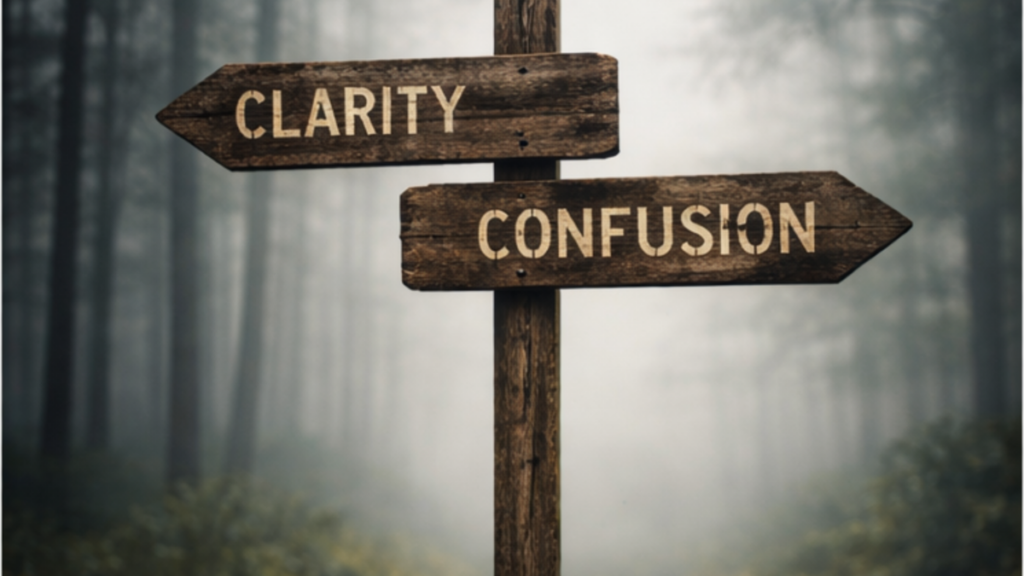
And when that becomes the habit, clarity becomes collateral damage.
I’ve watched it happen in ordinary places, not just in politics. A workplace meeting where a simple question gets interpreted as a threat. A family dinner where people speak in slogans because real conversation feels too dangerous. Even a church discussion where compassion gets confused with silence, and silence gets confused with wisdom. We’re all feeling it: the invisible pressure to speak the approved language, or say nothing at all.
But there are some things we cannot afford to lose the ability to say plainly, because they’re foundational.
One of those is the basic truth that human beings come in two biological sexes—male and female. That isn’t a political position. It’s a physical reality. It doesn’t erase complexity at the edges, and it doesn’t diminish anyone’s dignity. It simply names what is generally true, and societies need generally true language in order to function.
The second truth is that sexual desire is powerful, complicated, and often confusing—especially in adolescence. Young people don’t receive an instruction manual when hormones arrive. Curiosity shows up before wisdom does. Experiences happen—sometimes private, sometimes awkward, sometimes regretted, sometimes meaningful—and the culture rushes to label them before the person has even had time to understand them.
That rush is not kindness. It’s pressure.
I once saw a huge white pickup truck with a sticker that read, “I identify as a Prius.” It was meant as a joke, but it made a point: words can be chosen, but reality doesn’t always follow. Labels can be loud. They can also be shallow. A person is more than a category, and a moment is not always an identity.
Which brings us to the third truth: love is deeper than desire, and deeper than labels. Desire is physical. It can be impulsive or tender, selfish or caring, reckless or committed. Love, at its best, is something more enduring. It is loyalty, sacrifice, empathy, and connection. It is what binds families, heals wounds, and makes life worth living even when the world is messy.
When we confuse these three things—biology, desire, and love—we end up with a culture that can’t speak clearly and can’t treat people gently at the same time. One side tries to enforce compassion by demanding agreement. The other side tries to enforce truth by withholding compassion. Both approaches harden people instead of helping them.
The way forward is not to pretend biology changes with feelings, and it’s not to pretend feelings don’t matter. The way forward is to speak honestly without cruelty—to hold to what is real while treating people as human beings instead of arguments.
Because when a society loses the ability to speak truth publicly, it doesn’t just lose a debate. It loses the framework that holds everything else together.