
Press "Enter" to skip to content

Posts published in “Social”

Reading Rumi Quotes as Wisdom, Not Doctrine

Rumi is among the most widely read spiritual poets in the world. Some people hesitate because he wrote from within the Sufi tradition of Islam. I understand that hesitation. But spiritual poetry isn’t a denominational contract. It’s a mirror.

If we insist that wisdom can only come from inside our own camp, we shrink our world down to the size of our tribe. But if we learn to read spiritual poetry for human meaning instead of religious ownership, something opens up. A line can be true without being a creed. A metaphor can be healing without becoming doctrine. And a writer can point toward the light even if their vocabulary differs from ours.

One more honest note: Rumi’s words reach us through translations, and translators make choices. So I don’t treat every line like a legal document. I treat them like invitations—open the heart, engage the mind, keep your discernment turned on.
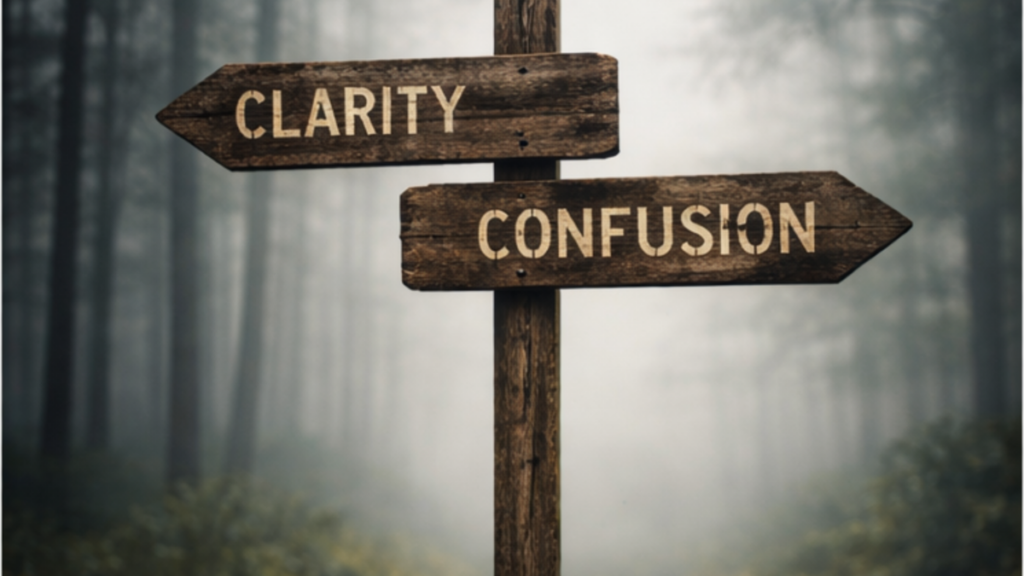

Beyond Labels: Clarity in an Age of Confusion

To Be or Not to Be Is No Longer the Question

Shakespeare wrote “to be or not to be” as a question of existence. Today, the tension has shifted. We’re not just debating whether life is worth living. We’re debating what words mean, what bodies mean, and whether reality itself is something we can renegotiate.

That’s not progress. It’s disorientation.

When the Tribe Becomes the Divide

When the Tribe Becomes the Divide

By Larry G. Patten
(Adapted from reflections in 21st Century Tribal Boundaries)

The first tribes were formed out of necessity.

Long before governments, cities, or digital networks, there were fires in the dark—small circles of people huddled close for one simple reason: survival. Alone, early humans were exposed to hunger, cold, predators, and the unknown. Together, they had a chance. The tribe meant food shared, danger spotted early, children protected, wounds tended. It was practical. It was life.